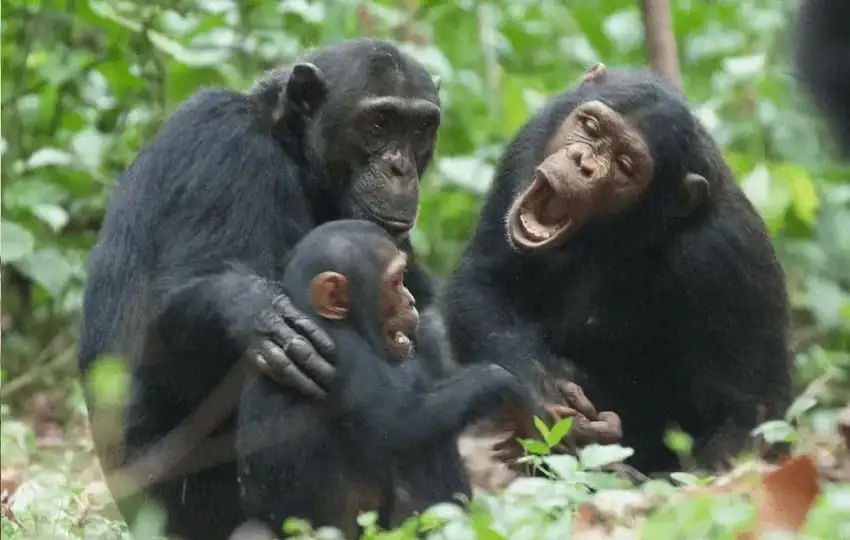
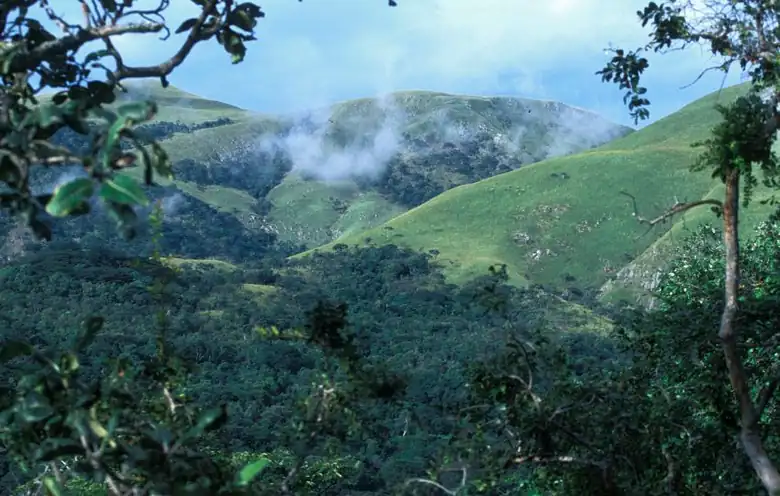
Along the crystal-clear shores of Lake Tanganyika, hidden among steep forested mountains and ancient tropical rainforests, lies one of Tanzania’s most extraordinary national parks.
There are no vast savannahs here.
No endless game drives across open plains.
Instead, visitors follow winding forest trails beneath towering trees, listening carefully for rustling leaves and distant calls echoing through the jungle.
Then suddenly, you see them.
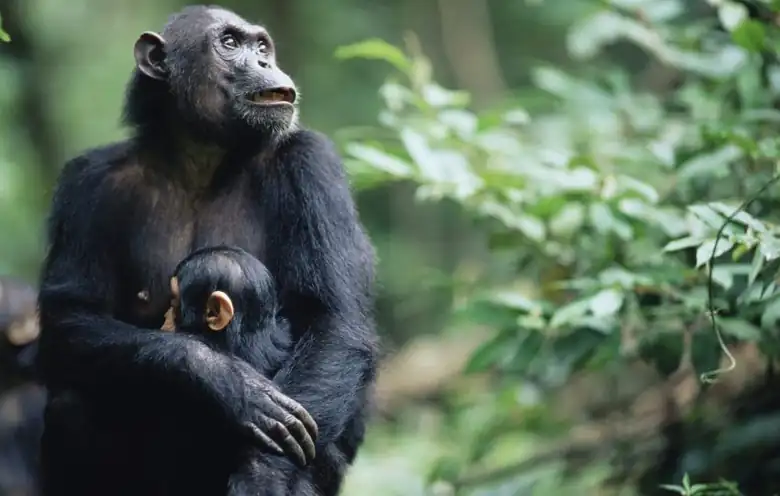
A family of wild chimpanzees moving effortlessly through the forest, grooming one another, playing, communicating, and behaving in ways that seem astonishingly familiar.
This is Gombe National Park.
The place where the world-famous primatologist Jane Goodall forever changed humanity’s understanding of chimpanzees and our connection to the natural world.
For wildlife lovers, photographers, researchers, and adventurous travelers, Gombe offers one of the most intimate and unforgettable wildlife experiences anywhere in Africa.
Why Visit Gombe National Park?
Gombe is unlike any other safari destination in Tanzania.
Visitors come here to experience:
The park offers a rare opportunity to observe our closest living relatives in their natural habitat.
Where is Gombe National Park?
Gombe National Park is located in western Tanzania along the eastern shores of Lake Tanganyika.
The park lies approximately 16 kilometers north of Kigoma and covers around 52 square kilometers, making it one of Tanzania’s smallest national parks.
Despite its size, Gombe is internationally renowned for its scientific importance and exceptional wildlife experiences.
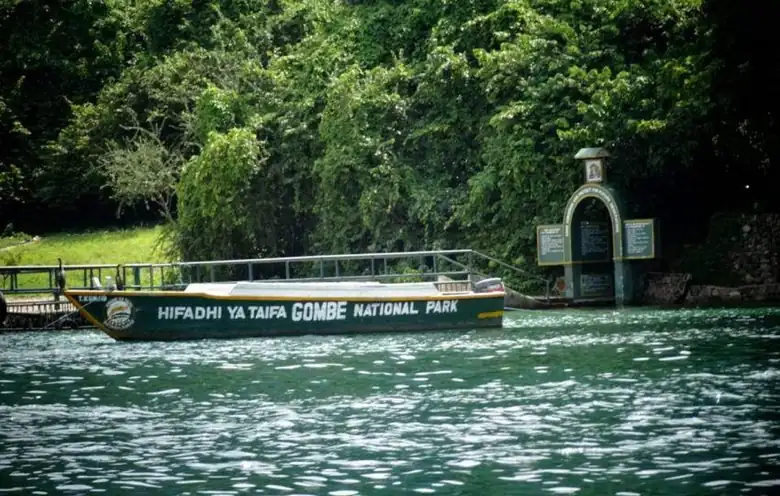
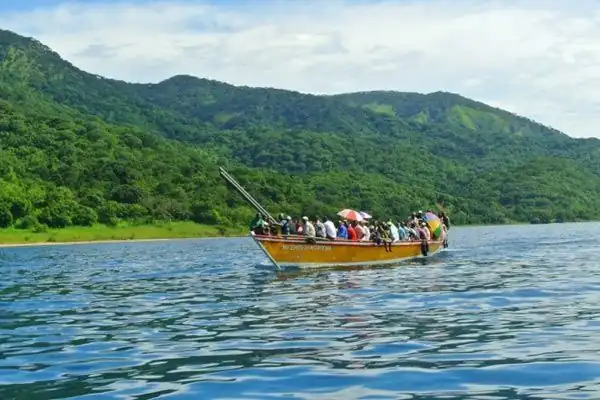
The park is accessible only by boat, adding to its remote and exclusive atmosphere.
The Legacy of Jane Goodall
Gombe became world famous in 1960 when a young researcher named Jane Goodall arrived to study wild chimpanzees.
What she discovered transformed science.
Before her research, scientists believed that only humans used tools.
Goodall observed chimpanzees making and using tools to gather food, fundamentally changing our understanding of animal intelligence.
Her groundbreaking work at Gombe continues today and remains one of the longest-running wildlife studies in the world.
Visitors to Gombe have the unique opportunity to explore the landscape where one of the most important wildlife research projects in history began.
Chimpanzee Trekking
The Ultimate Gombe Experience
Chimpanzee trekking is the highlight of every visit to Gombe National Park.
Accompanied by experienced guides, visitors hike through the forest searching for habituated chimpanzee families.
Once located, guests observe these fascinating primates as they:
Watching wild chimpanzees interact is often described as one of the most emotional wildlife experiences in Africa.
Their intelligence, social structures, and human-like behaviors create unforgettable moments.
Wildlife in Gombe National Park
Although chimpanzees are the main attraction, Gombe supports a rich variety of wildlife.
Primates
The park is home to:
This diversity makes Gombe one of East Africa’s premier primate destinations.
Other Mammals
Visitors may also encounter:
The dense forest environment creates exciting opportunities for wildlife observation.
Lake Tanganyika
Africa’s Hidden Inland Sea
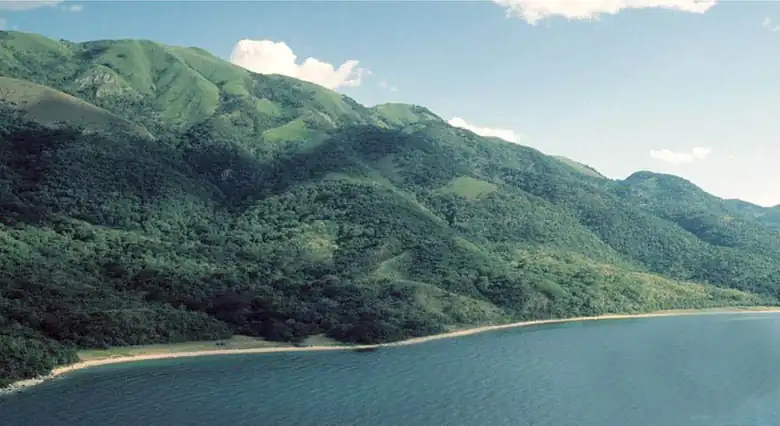
One of Gombe’s most spectacular features is its location beside Lake Tanganyika.
As the world’s longest freshwater lake and the second-deepest lake on Earth, Tanganyika adds a breathtaking backdrop to every visit.
The crystal-clear waters provide opportunities for:
The combination of rainforest and lake scenery makes Gombe one of Tanzania’s most beautiful destinations.
Hiking and Forest Exploration
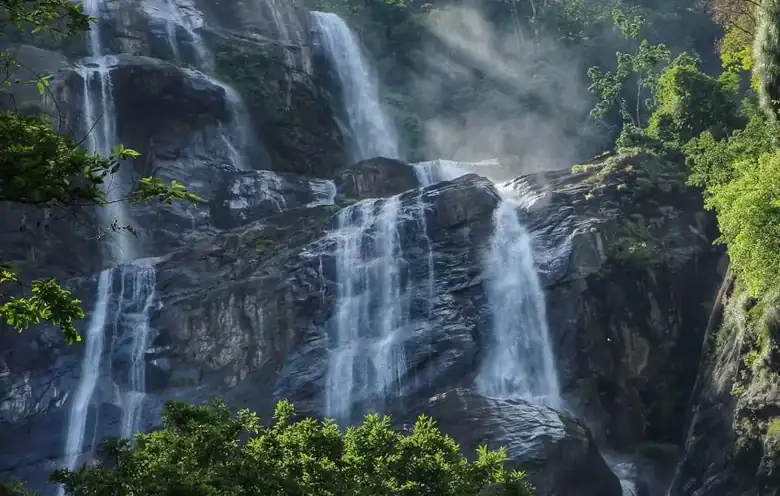
The rugged terrain of Gombe offers excellent hiking opportunities.
Trails lead visitors through:
Tropical Rainforest
Home to primates and diverse birdlife.
Mountain Slopes
Providing panoramic views of Lake Tanganyika.
Valleys and Streams
Supporting rich ecosystems throughout the park.
Every hike offers opportunities to discover wildlife and enjoy spectacular scenery.
Birdwatching in Gombe
Gombe is a paradise for bird enthusiasts.
More than 200 bird species have been recorded within the park.
Birdwatchers may encounter:
The park’s diverse habitats support excellent birdwatching throughout the year.
Best Time to Visit Gombe National Park
July to October
The dry season is considered the best time for chimpanzee trekking.
Advantages include:
November to February
A beautiful period with lush forests and excellent birdwatching.
March to May
Rainfall increases, creating vibrant green landscapes but more challenging trekking conditions.
Activities in Gombe National Park
Chimpanzee Trekking
The park’s signature experience.
Forest Hiking
Explore one of Africa’s most important rainforest ecosystems.
Birdwatching
Observe a remarkable variety of species.
Lake Tanganyika Excursions
Enjoy the beauty of one of the world’s great lakes.
Photography
Capture stunning wildlife and landscapes.
Historical Exploration
Learn about the legacy of Jane Goodall and chimpanzee conservation.
Accommodation Options
Accommodation near Gombe focuses on intimate and exclusive experiences.
Luxury Lodges
Offering exceptional comfort and lake views.
Eco-Lodges
Providing sustainable experiences close to nature.
Safari Camps
Ideal for adventurous travelers seeking authentic wilderness experiences.
The limited number of accommodations helps preserve the park’s peaceful atmosphere.
How to Get There
By Air
Most visitors fly to Kigoma from:
By Boat
From Kigoma, visitors continue by boat along Lake Tanganyika to reach the park.
The boat journey itself offers beautiful scenery and memorable views.
Frequently Asked Questions
Is chimpanzee trekking guaranteed?
Chimpanzees are wild animals, but sightings are generally excellent due to experienced trackers and habituated groups.
How difficult is the trekking?
Most hikes are moderate, though terrain can be steep in some areas.
How many days should I spend in Gombe?
Two to three nights is ideal for most visitors.
Is Gombe suitable for families?
Older children and active travelers generally enjoy the experience most.
Can Gombe be combined with other parks?
Yes.
Popular combinations include: