There are places in Africa where wildlife is abundant.
Then there are places where nature still feels completely untamed.
Katavi National Park belongs to the second category.
Far from the busy safari routes of East Africa, hidden in the remote western reaches of Tanzania, Katavi remains one of the continent’s best-kept secrets. Here, immense buffalo herds thunder across open plains, lions patrol vast wilderness areas, and hippos battle for territory in shrinking river pools during the dry season.
This is not a safari for those seeking crowds, luxury shopping, or busy tourist attractions.
This is Africa as it once was.
Wild. Remote. Unpredictable.
For travelers searching for one of the most authentic safari experiences on Earth, Katavi National Park offers a journey into a world where nature still reigns supreme.
Why Visit Katavi National Park?
Katavi is one of Tanzania’s most rewarding safari destinations for experienced travelers and wildlife enthusiasts.
Visitors are drawn to Katavi because of its:
Few places in Africa offer such incredible wildlife encounters with so few visitors.
Where is Katavi National Park?
Katavi National Park is located in western Tanzania near the town of Mpanda.
Covering approximately 4,471 square kilometers, it is one of Tanzania’s largest national parks and forms part of a vast wilderness ecosystem that remains largely untouched.
Due to its remote location, Katavi attracts adventurous travelers seeking experiences beyond the traditional safari circuit.
The park is often combined with:
These combinations create some of East Africa’s most exclusive safari itineraries.
The Wild Heart of Western Tanzania
Unlike many safari destinations where wildlife viewing occurs alongside numerous vehicles, Katavi offers a sense of true exploration.
Visitors frequently spend entire game drives without seeing another safari vehicle.
This exclusivity allows guests to experience:
- Greater privacy
- Authentic wildlife encounters
- Exceptional photography opportunities
- A deeper connection with nature
Many travelers describe Katavi as one of the last places where safari still feels like an expedition.
Wildlife in Katavi National Park
Katavi’s wildlife populations are among the most impressive in Tanzania.
During the dry season, animals concentrate around the park’s rivers, floodplains, and remaining water sources, creating extraordinary viewing opportunities.
Buffalo Herds
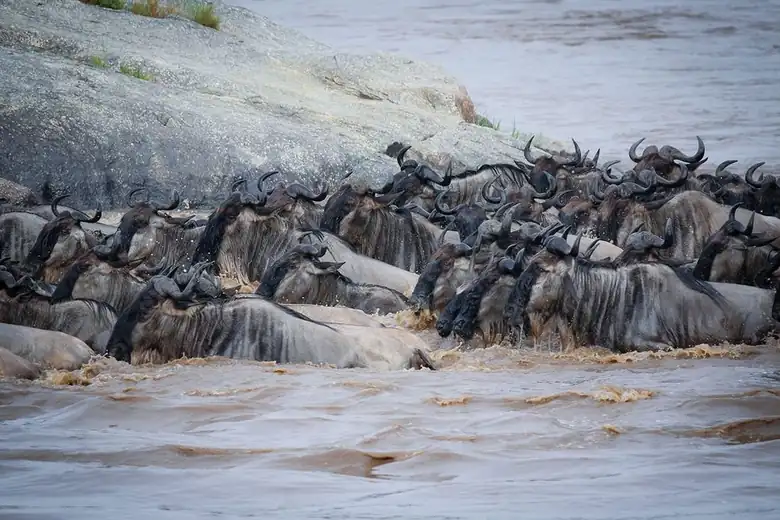
Katavi is famous for its enormous buffalo populations.
Herds numbering hundreds—and sometimes thousands—can be seen moving across the plains.
These massive gatherings are among the largest in Africa.
Elephants
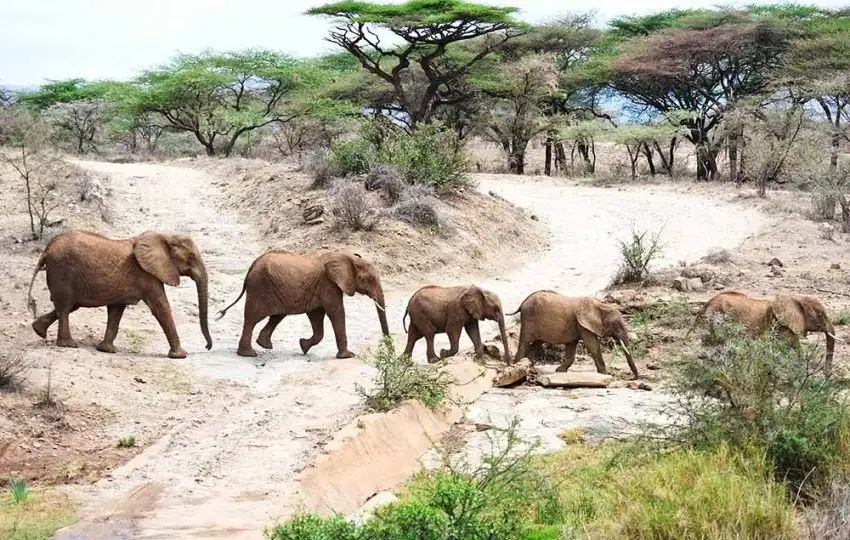
The park supports healthy elephant populations.
Visitors regularly encounter:
- Family groups
- Large bulls
- Herds gathering near water sources
Elephant sightings are particularly rewarding during the dry season.
Lions
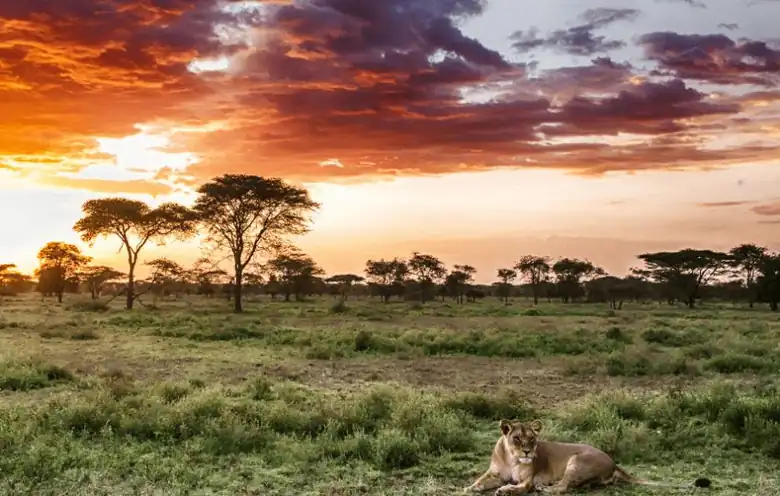
Katavi is one of Tanzania’s finest destinations for lion sightings.
Large prides dominate the ecosystem and often hunt buffaloes and antelope on the floodplains.
Witnessing predator-prey interactions in Katavi is one of the park’s greatest attractions.
Leopards
These elusive cats are regularly observed in riverine forests and wooded areas.
Katavi offers excellent opportunities for leopard photography.
Hyenas and Other Predators
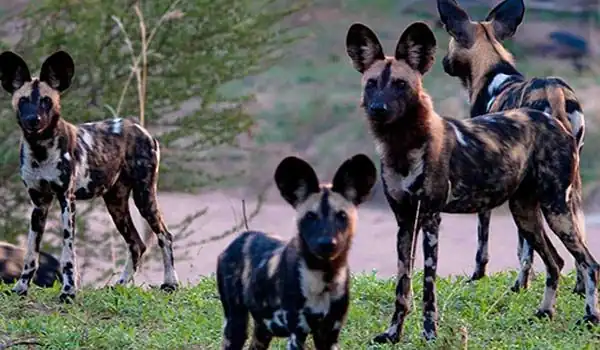
The park is also home to:
Together they contribute to one of Africa’s most dynamic predator ecosystems.
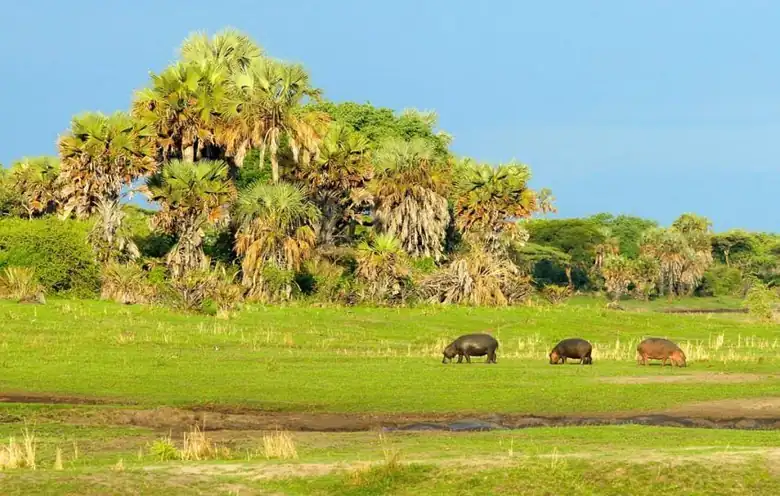
Hippo Paradise
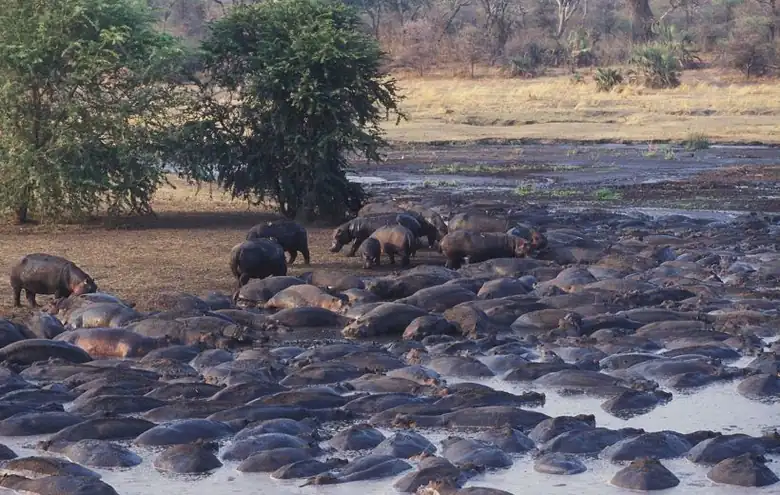
One of Katavi’s most remarkable wildlife spectacles occurs during the dry season.
As water levels decline, hundreds of hippos gather in shrinking pools and river channels.
The resulting competition for space creates dramatic displays of behavior.
Visitors may witness:
These gatherings are among the most impressive hippo spectacles anywhere in Africa.
The Seasonal Floodplains
Katavi’s floodplains are among its defining features.
Katuma River
The park’s primary water source and lifeline during the dry season.
Chada Floodplain
A vast open area supporting enormous wildlife concentrations.
Katisunga Plain
Known for its seasonal wildlife movements and exceptional game viewing.
These landscapes create some of Tanzania’s most productive safari habitats.
Birdwatching in Katavi
Bird enthusiasts will find Katavi highly rewarding.
The park supports hundreds of bird species including:
Wetlands, rivers, and floodplains provide ideal habitats for both resident and migratory birds.
Best Time to Visit Katavi
June to October
The dry season is widely considered the best time to visit.
Advantages include:
November to March
The landscape becomes greener and more scenic.
Birdwatching is particularly rewarding during this period.
April and May
Heavy rains may affect accessibility, though the park remains beautiful and lush.
Activities in Katavi National Park
Game Drives
The primary activity and the best way to explore the park’s wildlife-rich landscapes.
Walking Safaris
Accompanied by professional guides, visitors can experience the wilderness on foot.
Birdwatching
Excellent throughout the year.
Photography Safaris
Perfect for wildlife photographers seeking unique and uncrowded experiences.
Wilderness Exploration
Ideal for travelers seeking adventure and authenticity.
Accommodation Options
Katavi offers intimate safari accommodations focused on exclusivity and immersion in nature.
Luxury Camps
Providing exceptional service and prime wildlife viewing locations.
Tented Safari Camps
Offering authentic bush experiences.
Seasonal Camps
Perfect for adventurous travelers seeking remote wilderness experiences.
The limited number of camps helps preserve the park’s untouched character.
How to Get There
By Air
The most practical option.
Scheduled and charter flights connect Katavi with:
By Road
Possible but challenging due to the park’s remote location.
Most visitors choose to fly.
Frequently Asked Questions
Is Katavi worth visiting?
Absolutely.
Many safari experts consider Katavi one of Africa’s greatest wilderness destinations.
What is Katavi famous for?
Its buffalo herds, predator sightings, hippo concentrations, and remote wilderness.
How many days should I spend in Katavi?
Three to four nights allows visitors to fully appreciate the park.
Is Katavi crowded?
No.
It remains one of Tanzania’s least-visited national parks.
Can Katavi be combined with chimpanzee trekking?
Yes.
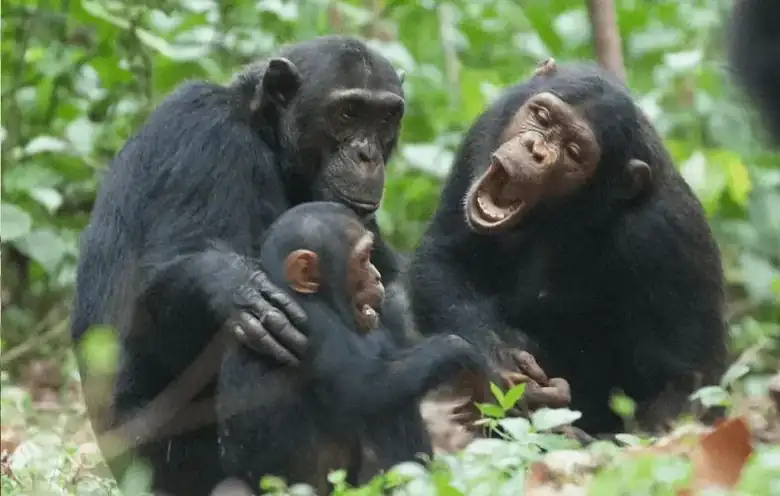
Many travelers combine Katavi with Gombe or Mahale Mountains National Park.