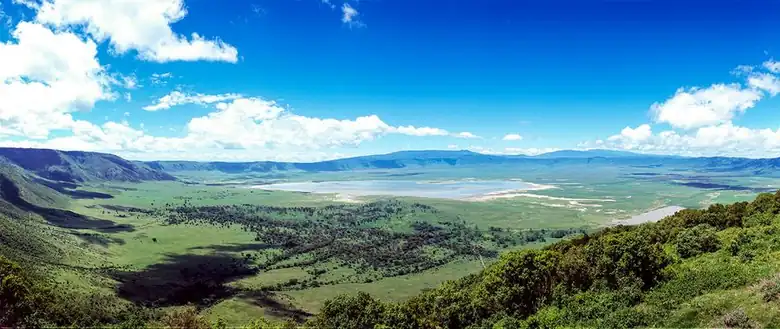
There are few places in the world that inspire wonder quite like Serengeti National Park.
As the first rays of sunlight stretch across the endless golden plains, a distant rumble begins to echo across the horizon. Thousands of wildebeest move as one, followed by zebras and gazelles, while lions quietly observe from the tall grass. Above them, vultures circle in the clear African sky and elephants wander through ancient acacia woodlands.
This is the Serengeti.
A place where nature still rules, where wildlife roams freely across vast landscapes, and where every game drive feels like stepping into a wildlife documentary.
Located in northern Tanzania, Serengeti National Park is one of the world’s most famous safari destinations and a UNESCO World Heritage Site. Covering approximately 14,763 square kilometers, the Serengeti is home to Africa’s largest concentration of wildlife and hosts the spectacular Great Migration, often described as the greatest wildlife show on Earth.
Whether you are visiting Tanzania for your first safari or returning to experience Africa once again, the Serengeti promises unforgettable memories that will last a lifetime.
Why Visit Serengeti National Park?
The Serengeti offers a safari experience unlike anywhere else on Earth.
Its vast open plains create ideal conditions for wildlife viewing, allowing visitors to witness predators, herbivores, and birdlife in their natural habitat throughout the year.
The park is famous not only for its wildlife abundance but also for its dramatic landscapes, breathtaking sunsets, luxury lodges, tented camps, and authentic wilderness experiences.
Every season tells a different story.
From the calving season in the southern plains to the thrilling river crossings in the north, the Serengeti offers year-round safari opportunities.

The Great Migration
The Great Migration is the Serengeti’s most famous attraction.
Every year, more than two million wildebeest, zebras, and gazelles move through the Serengeti ecosystem in search of fresh grazing and water.
This remarkable journey covers hundreds of kilometers and creates some of the most dramatic wildlife encounters on the planet.
January to March – Calving Season
The southern Serengeti and Ndutu area become the stage for one of nature’s most extraordinary events.
Hundreds of thousands of wildebeest gather on the short grass plains to give birth.
Nearly half a million calves are born within a few weeks.
The abundance of vulnerable newborns attracts predators including lions, cheetahs, hyenas, and leopards, creating exceptional game viewing opportunities.
April to June – The Journey Begins
As the rains end, the herds begin moving northwest toward the Western Corridor.
Visitors can witness long columns of migrating animals stretching across the horizon.
June to July – Grumeti River Crossings
The migration reaches the Grumeti River, where crocodiles wait beneath the water.
These crossings offer dramatic wildlife encounters and incredible photography opportunities.
August to October – Mara River Crossings
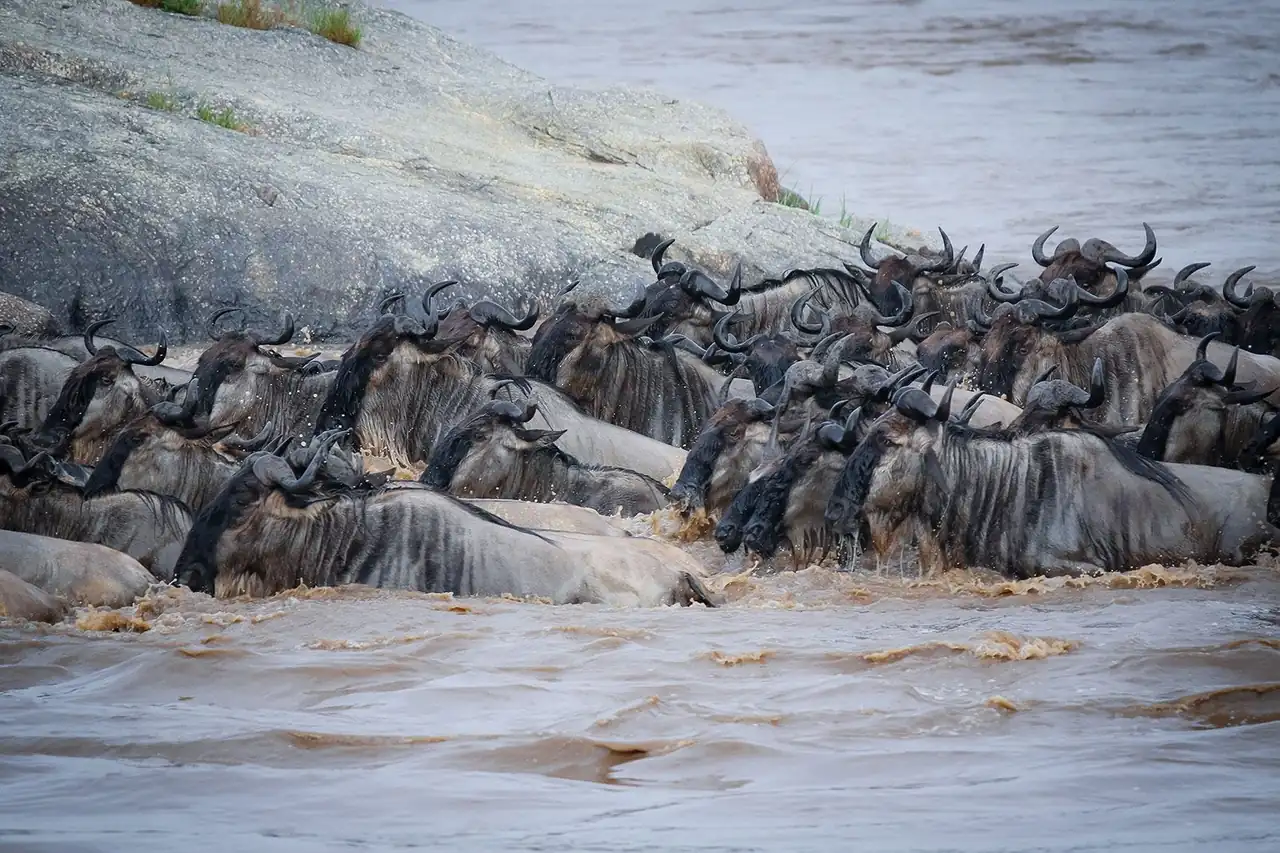
The northern Serengeti hosts the famous Mara River crossings.
Thousands of wildebeest leap into crocodile-filled waters as they attempt to reach fresh grazing.
This is often considered the most dramatic phase of the migration.
November to December
The herds gradually return south, completing the annual cycle and preparing for the next calving season.
Wildlife in Serengeti National Park
The Serengeti supports one of Africa’s richest ecosystems.
Visitors regularly encounter:
The Big Five
Predators
The Serengeti is famous for predator sightings.
The park supports one of Africa’s largest lion populations and offers excellent opportunities to see:
Herbivores
Birdlife
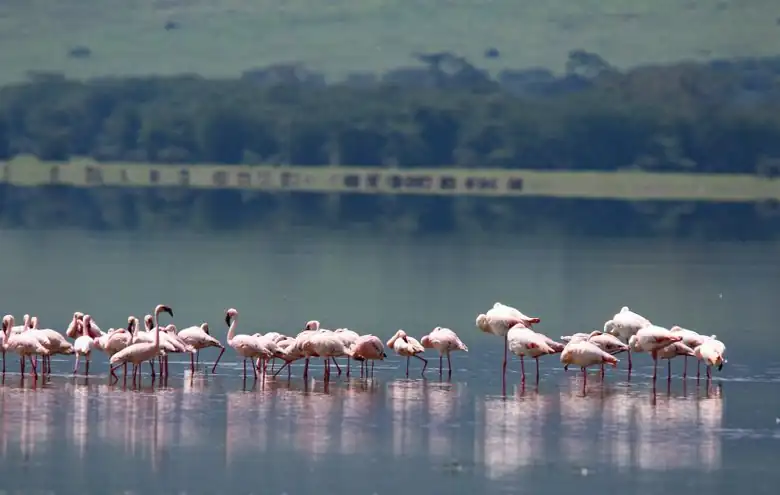
More than 500 bird species have been recorded in the Serengeti, making it a paradise for bird enthusiasts.


The Different Regions of Serengeti
Central Serengeti (Seronera)
The heart of the park and one of the best areas for year-round wildlife viewing.
Known for:
Northern Serengeti
Famous for:
Western Corridor
Known for:
Southern Serengeti
Best for:
Activities in Serengeti National Park
Game Drives
The most popular activity and the best way to explore the park’s wildlife and landscapes.
Hot Air Balloon Safaris
Float above the plains at sunrise and experience a unique perspective of the Serengeti.
A champagne breakfast in the bush often follows the flight.
Wildlife Photography
The park provides extraordinary opportunities for professional and amateur photographers alike.
Cultural Visits
Visitors can combine their safari with cultural experiences in nearby Maasai communities.

Best Time to Visit Serengeti National Park
January – March
Excellent for calving season and predator action.
April – May
Green season with fewer visitors and beautiful landscapes.
June – July
Migration movement and Grumeti River crossings.
August – October
Mara River crossings and peak safari season.
November – December
Migration returns south and wildlife viewing remains excellent.
The Serengeti is truly a year-round destination.
Accommodation in Serengeti National Park
The park offers accommodations suitable for every travel style.
Luxury Options
Mid-Range Options
- Comfortable tented camps
- Safari lodges with excellent amenities
Budget Options


How to Get There
By Air
Several daily flights connect Serengeti airstrips with:
By Road
Most visitors reach the Serengeti as part of the Northern Tanzania Safari Circuit, which includes:
Frequently Asked Questions
How many days should I spend in Serengeti?
We recommend at least three to four nights to fully experience the park.
Can I see the Big Five?
Yes. The Serengeti is one of the best places in Africa to see the Big Five.
Is the Serengeti suitable for families?
Absolutely. Family safaris can be customized for travelers of all ages.
When is the Great Migration?
The migration occurs throughout the year, moving through different areas of the ecosystem.
Can I combine Serengeti with Zanzibar?
Yes. Combining a Serengeti safari with a Zanzibar beach holiday is one of Tanzania’s most popular travel experiences.