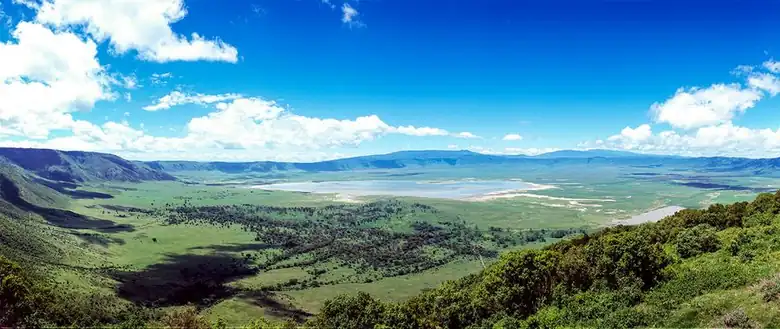
Tucked beneath the dramatic cliffs of the Great Rift Valley lies one of Tanzania’s most beautiful and diverse safari destinations.
At first glance, Lake Manyara National Park appears modest compared to giants like the Serengeti or Ruaha. Yet those who venture into this remarkable wilderness quickly discover why it has long been considered one of Tanzania’s hidden gems.
As you enter the park, dense groundwater forests filled with towering mahogany and fig trees create an atmosphere unlike anywhere else on the Northern Safari Circuit. Troops of baboons move through the canopy, blue monkeys leap between branches, and elephants emerge quietly from the forest shadows.
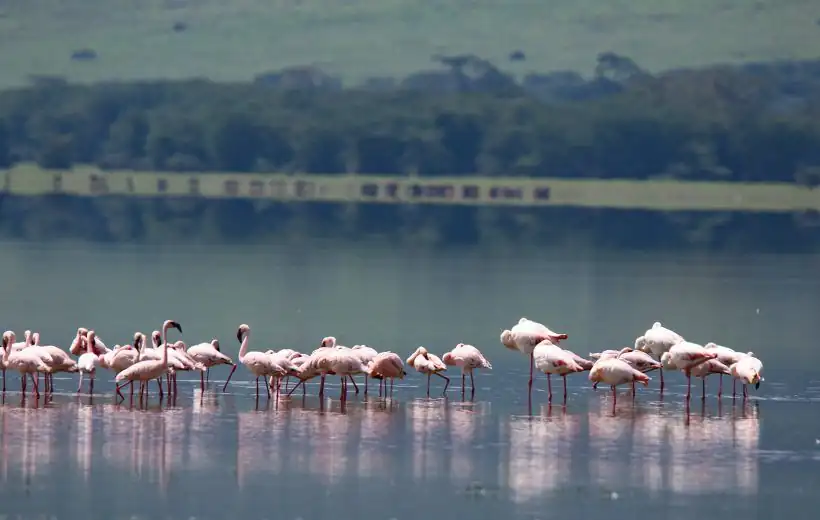
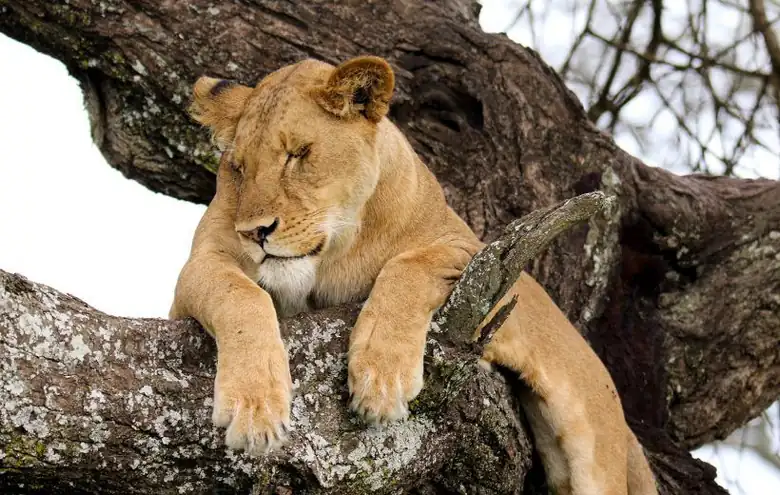
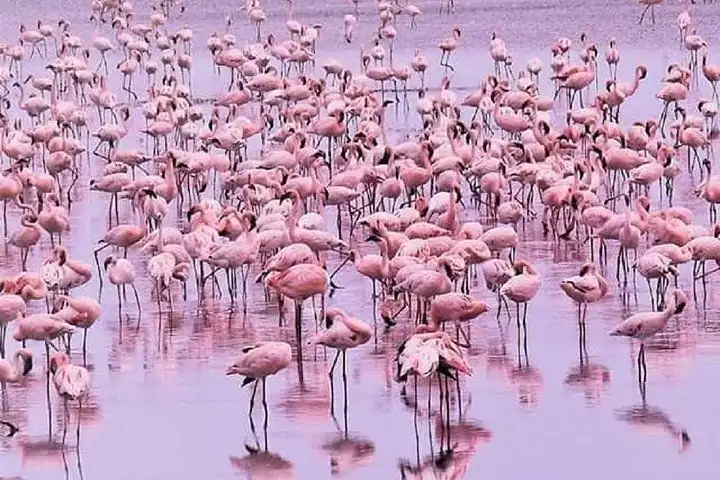
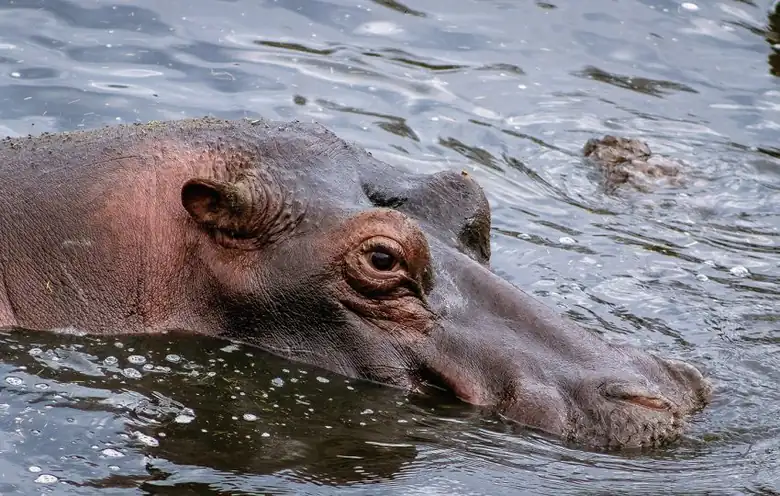
Further ahead, the landscape opens into sweeping plains and the shimmering waters of Lake Manyara itself. Flamingos gather along the shoreline, hippos relax in pools, and tree-climbing lions lounge in acacia branches overlooking the savannah.
This is Lake Manyara National Park—a destination where every turn reveals a new ecosystem, a new wildlife encounter, and a new reason to fall in love with Tanzania.
Where is Lake Manyara National Park?
Lake Manyara National Park is located in northern Tanzania, approximately 126 kilometers southwest of Arusha.
The park sits between Tarangire National Park and the Ngorongoro Conservation Area, making it a perfect addition to Tanzania’s famous Northern Safari Circuit.
Its strategic location allows visitors to combine Lake Manyara with:
Despite covering approximately 330 square kilometers, Lake Manyara offers an astonishing diversity of habitats and wildlife.
Why Visit Lake Manyara National Park?
Lake Manyara may be one of Tanzania’s smaller parks, but it delivers an incredibly rich safari experience.
The park is famous for:
The combination of forest, grassland, wetlands, and lake shoreline creates one of the most varied landscapes in East Africa.
The Famous Tree-Climbing Lions
Lake Manyara is one of the few places in Africa where lions are regularly seen resting in trees.
While lions typically spend their time on the ground, the prides of Lake Manyara have become famous for climbing acacia and sausage trees.
Seeing a fully grown lion draped across a tree branch is one of the park’s most memorable experiences and a dream sighting for many safari travelers.
Although sightings cannot be guaranteed, Lake Manyara remains one of the best places in Tanzania to witness this unusual behavior.
Wildlife in Lake Manyara National Park
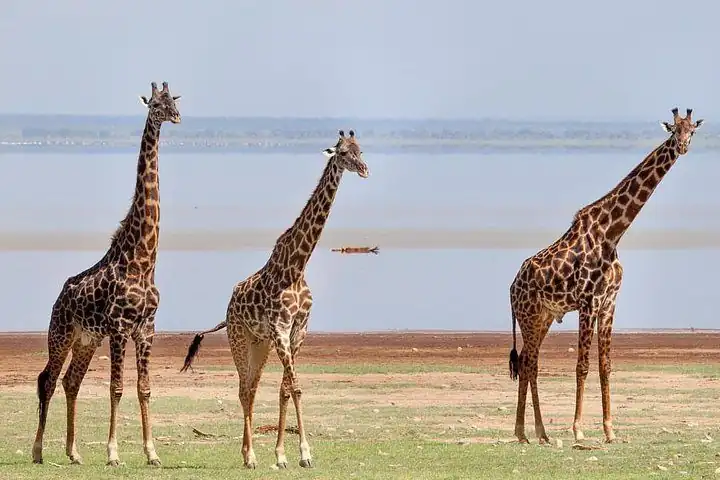
The park supports an impressive variety of wildlife despite its relatively small size.
Large Mammals
Visitors frequently encounter:
Predators
Lake Manyara is home to:
Primates
The park’s forests support one of Africa’s largest concentrations of baboons.
Other primates include:
The primate viewing alone makes Lake Manyara unique among Tanzania’s safari destinations.
A Birdwatcher’s Paradise
Lake Manyara National Park is one of Tanzania’s finest birding destinations.
More than 400 bird species have been recorded within the park.
Depending on water levels and seasonal conditions, visitors may see:
The lake often transforms into a colorful spectacle as thousands of waterbirds gather along its shores.
Whether you are a dedicated birdwatcher or simply appreciate nature, the birdlife here is extraordinary.

The Ecosystems of Lake Manyara
One of the park’s greatest strengths is its diversity of habitats.
Groundwater Forest
Fed by underground springs from the Ngorongoro Highlands, this lush forest is home to elephants, monkeys, and countless bird species.
Acacia Woodlands
These open areas support giraffes, zebras, and the famous tree-climbing lions.
Open Grasslands
Excellent for observing grazing animals and predators.
Hot Springs
The park’s southern section contains hot springs known as Maji Moto, where geothermal activity creates unique landscapes.
Lake Shoreline
The alkaline lake attracts waterbirds and offers breathtaking photographic opportunities.
Scenic Beauty Beyond Wildlife
Lake Manyara is often described as one of Tanzania’s most scenic national parks.
Highlights include:
The Great Rift Valley Escarpment
Towering cliffs rise dramatically above the park, creating one of East Africa’s most impressive natural backdrops.
Lake Manyara
Covering a significant portion of the park, the lake changes with the seasons and creates stunning reflections and sunsets.
Forest Canopies
The lush greenery provides a striking contrast to the open savannahs typically associated with African safaris.

Best Time to Visit Lake Manyara
June to October
The dry season is ideal for wildlife viewing as animals gather around water sources.
Advantages include:
November to March
A wonderful period for birdwatching and photography.
Visitors enjoy:
April and May
The rainy season brings vibrant scenery and beautiful photographic opportunities.
Activities in Lake Manyara National Park
Game Drives
The most popular way to explore the park and discover its diverse wildlife.
Birdwatching
One of the finest birding experiences in East Africa.
Photography Safaris
The park’s landscapes and wildlife provide endless opportunities for stunning images.
Cultural Experiences
Nearby communities offer opportunities to learn about local traditions and daily life.
Treetop Walkway
Lake Manyara features Tanzania’s first treetop walkway, allowing visitors to experience the forest from a unique perspective high above the ground.
Accommodation Options
Lake Manyara offers a variety of accommodation choices.
Luxury Lodges
Providing panoramic views of the Great Rift Valley and the lake.
Tented Camps
Offering immersive safari experiences surrounded by nature.
Mid-Range Lodges
Combining comfort, convenience, and value.
Budget Options
Suitable for travelers seeking affordable adventures.
How to Get There
Lake Manyara is one of Tanzania’s most accessible safari destinations.
Approximate travel times:
- Arusha to Lake Manyara: 2–3 hours by road
- Tarangire to Lake Manyara: 1–2 hours
- Ngorongoro to Lake Manyara: 1 hour
Its location makes it an excellent first stop on a Northern Tanzania safari.
Frequently Asked Questions
Is Lake Manyara worth visiting?
Absolutely. Its unique ecosystems, tree-climbing lions, and scenic beauty make it one of Tanzania’s most rewarding parks.
How many days should I spend here?
One day is sufficient for many visitors, though an overnight stay allows for a more relaxed experience.
Can I see elephants?
Yes. The park supports a healthy elephant population and sightings are common.
Are tree-climbing lions guaranteed?
No wildlife sighting is guaranteed, but Lake Manyara remains one of the best places to see them.
Is Lake Manyara suitable for families?
Yes. The park’s accessibility and variety of wildlife make it ideal for families and first-time safari travelers.
Why Include Lake Manyara in Your Tanzania Safari?
Lake Manyara National Park proves that great things often come in small packages.
Its incredible diversity, beautiful landscapes, abundant wildlife, and unique attractions create an experience unlike any other park on the Northern Circuit.
From tree-climbing lions and massive elephant herds to flamingo-filled shores and ancient forests, Lake Manyara offers a perfect introduction to Tanzania’s natural wonders.
At Epic Adventure, we create unforgettable safari experiences that showcase the very best of Lake Manyara National Park and beyond.
Let us help you discover one of Tanzania’s most charming and surprising safari destinations.